If you feel like you could eat an entire pantry and still be hungry… you’re not imagining it. Postpartum hunger can feel extreme.
You finish a full meal and 30 minutes later you’re starving again. You wake up at 2 a.m. for a feeding and suddenly need toast, eggs, yogurt, and a snack bar.
It’s common and it’s also biological. It definitely does not mean you have a lack of willpower!
As a postpartum dietitian, I can tell you this: your body is doing intense work behind the scenes. Whether you’re breastfeeding, recovering from birth, healing from a C-section, regulating hormones, or simply surviving on broken sleep — your energy needs are significantly higher right now.
Let’s break down why postpartum hunger happens and what to eat so you actually feel nourished instead of constantly chasing fullness.
Affiliate Disclosure
This post may contain affiliate links. If you purchase through these links, I may earn a small commission at no additional cost to you. I only recommend tools that support practical postpartum tips.
Why Postpartum Hunger Feels So Intense
1. You’re Healing from a Major Physical Event
Birth is not a small event physiologically. The placenta alone leaves a wound the size of a dinner plate inside your uterus. Your body is rebuilding tissue, restoring blood volume, and balancing hormones.
That requires calories, protein, iron, vitamin C, zinc, and more. As a Dietitian, I highly recommend that you continue a Vitamin supplement regimen during postpartum recovery. I personally use the Perelel Postpartum Recovery Bundle and it has makes a world of a difference in the recovery process.
2. Breastfeeding Raises Calorie Needs Significantly
If you’re nursing, you may need an additional 400–500 calories per day. Sometimes more, depending on milk production and body composition.
Milk production is metabolically demanding. It requires:
- Carbohydrates (for lactose)
- Fat
- Protein
- Fluids
- Micronutrients
It makes sense that you feel hungrier. It’s important to listen to your body’s hunger cues throughout the day. It’s also completely understandable that making meals all the time may not always be feasible, so if you’re looking for some quicker, more nutrient dense food options, you may find “High Protein Snacks for Breastfeeding Moms” to be a helpful guide during the early postpartum days.
3. Sleep Deprivation Increases Appetite Hormones
Broken sleep disrupts leptin (fullness hormone) and increases ghrelin (hunger hormone). When you’re waking every 2–3 hours, your body naturally craves more quick energy.
This is one reason nighttime hunger can feel especially strong.
And if newborn sleep still feels chaotic, read “Newborn Sleep Patterns Explained (Why Sleep Feels So Random)” to better understand what’s happening biologically with your little one.
4. Hormone Shifts Trigger Cravings
Estrogen and progesterone drop dramatically after birth. Cortisol may be elevated due to stress and sleep loss. Prolactin increases with breastfeeding.
These hormonal shifts can:
- Increase carb cravings
- Increase appetite
- Make you feel shaky or urgent when hungry
This is especially noticeable in the first 6–8 weeks. This is when adequate nutrition is especially important, so you may find helpful tips in “Postpartum Healing Foods That Support Recovery After Birth” as you try to navigate your diet.
5. You May Be Accidentally Under-Fueling
Many new moms unintentionally skip meals because they’re busy, overwhelmed, or nap trapped.
Then hunger hits like a wave later.
If your meals are mostly:
- Carbohydrates alone
- Low-protein snacks
- Grazing without structure
You’ll feel hungry again quickly.
What to Eat When You Feel Constantly Hungry
Instead of trying to suppress hunger, aim to satisfy it properly.
Here’s what actually helps.
1. Prioritize Protein at Every Meal and Snack
Protein stabilizes blood sugar, supports healing, and increases satiety.
Aim for:
- 20–30g protein at meals
- 8–15g protein at snacks
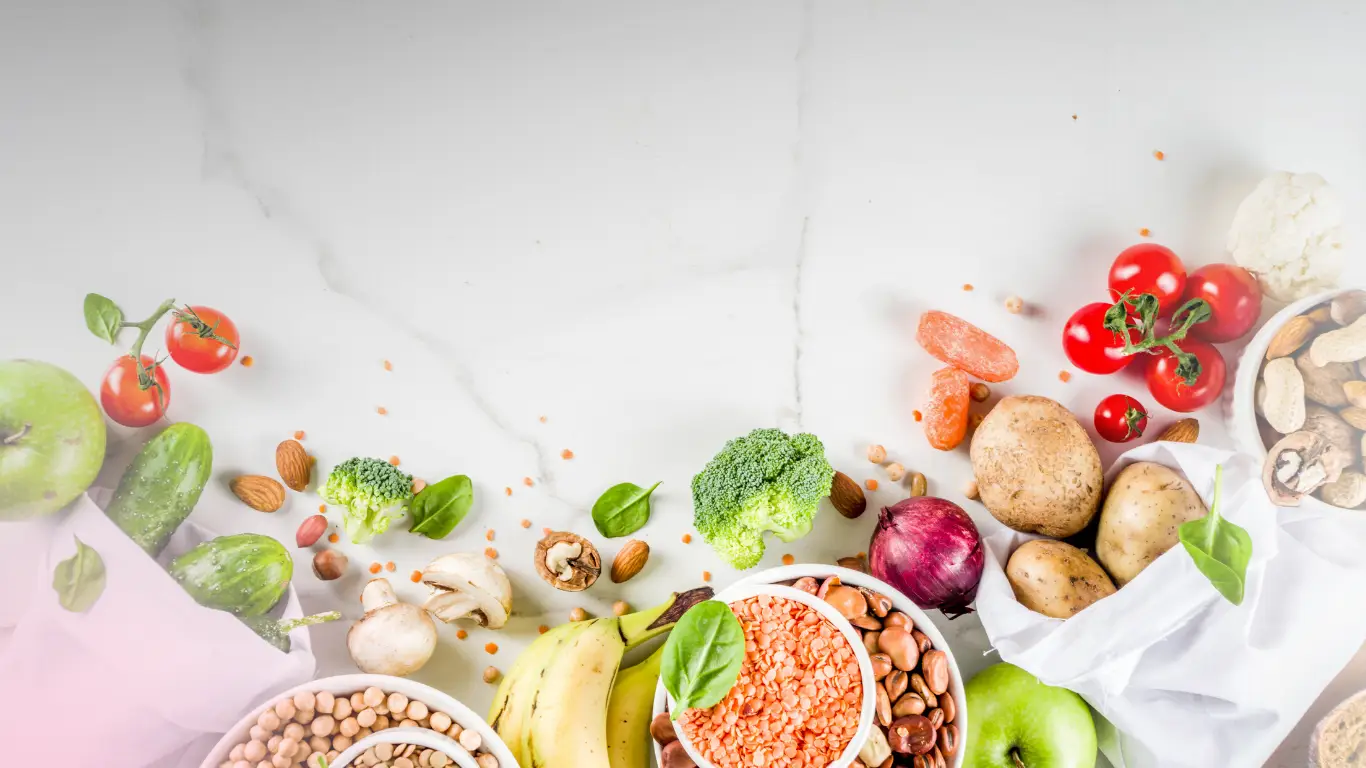
Easy postpartum protein sources:
- Greek yogurt
- Eggs
- Cottage cheese
- Rotisserie chicken
- Salmon
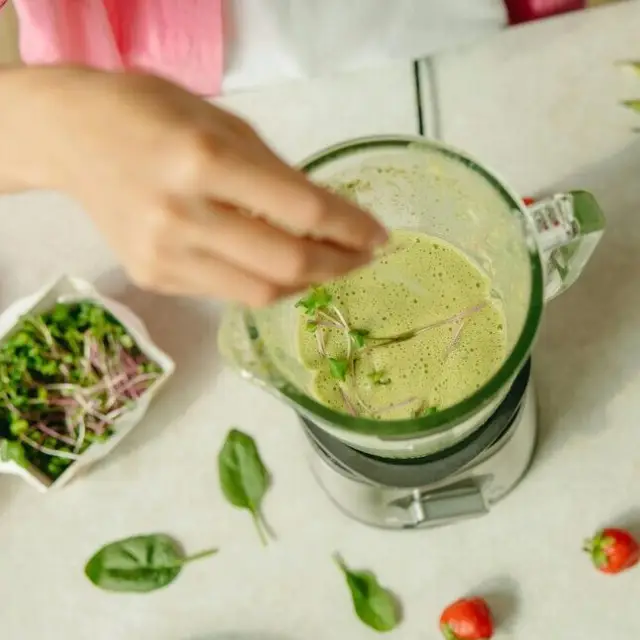
- Protein smoothies
- Nut butter
- Grass-fed beef sticks
If you’re looking for a Protein Powder that’s breastfeeding-safe, Perelel Triple-Support Protein is my go-to above any standard protein powder. It also supports postpartum recovery by improving gut health with additional fiber and contains creatine monohydrate to support your physical and mental strength.
2. Don’t Fear Carbohydrates
Carbohydrates are not the enemy postpartum. They fuel milk production, brain function, and energy.
Choose carbs paired with protein or fat:
- Oatmeal + nut butter
- Toast + eggs
- Rice + salmon
- Smoothie with fruit + protein powder
- Sweet potatoes + chicken
Low-carb dieting postpartum often increases fatigue and hunger.
3. Eat Every 3–4 Hours (Minimum)
Waiting until you’re ravenous leads to energy crashes and overeating quick sugar foods.
Instead:
- Breakfast within 60–90 minutes of waking
- Lunch
- Dinner
- 2–3 snacks
Especially if breastfeeding, many moms need 3 meals + 3 snacks.
If simple meals are feeling impossible right now, see “Simple Meals for New Parents Who Are Exhausted but Hungry.”
4. Hydration Matters — But It’s Not a Substitute for Food
Sometimes thirst increases hunger signals.
However, drinking water will not fix true caloric hunger.
Hydration goals:
- 8–12 cups per day minimum
- Add electrolytes if breastfeeding heavily
But if you’re starving after drinking water — eat.
5. Build “Power Snacks”
Keep grab-and-go options near your nursing spot.
Examples:
- Greek yogurt + granola
- Apple + peanut butter
- Cheese + whole grain crackers
- Smoothie packs in freezer
- Hard boiled eggs
- Protein bars (choose >10g protein, low added sugar)
This makes middle-of-the-night hunger easier to manage.
What If You’re Constantly Hungry Even After Eating?
Consider:
Are your meals balanced?
Protein + carb + fat + fiber = longer fullness.
Are you severely sleep deprived?
Sleep disruption increases cravings, particularly for refined carbs.
If your baby’s adjustment period has felt confusing overall, read “Signs Your Newborn Is Adjusting Normally (Even When It Doesn’t Feel Like It)” for reassurance.
Are you low in iron?
Heavy bleeding during delivery or postpartum can lower iron. Symptoms:
- Fatigue
- Dizziness
- Intense cravings
- Feeling weak
Ask your provider if testing is appropriate. I was diligent with taking an iron supplement for months after giving birth because I had to get a blood transfusion after delivery. Perelel Daily Iron Ease was my iron supplement of choice because it is highly bioavailable, so I knew it had the best absorption and allowed me to recover much faster.
Are you trying to diet?
This is not the season for calorie restriction for most women. Gentle nourishment supports healing and milk supply.
What Postpartum Hunger Is NOT
It is not:
- A lack of self-control
- Emotional weakness
- “Eating too much”
- A failure of discipline
Your body is intelligent. Hunger is protective.
Sample Day of Satisfying Postpartum Eating
Breakfast:
Oatmeal with peanut butter, chia seeds, and Greek yogurt.
Snack:
Protein smoothie with frozen berries and collagen.
Lunch:
Rice bowl with grilled chicken, avocado, roasted vegetables.
Snack:
Apple with almond butter.
Dinner:
Salmon, sweet potato, sautéed spinach.
Night Snack (if needed):
Toast with scrambled eggs.
This level of eating can feel like “a lot.” But healing and milk production require fuel.
When to Talk to a Provider
Seek guidance if you experience:
- Extreme unquenchable thirst with hunger
- Rapid unintentional weight loss
- Signs of thyroid imbalance (hair loss, heart racing, severe anxiety)
- Persistent dizziness
Sometimes labs are helpful postpartum.
A Gentle Reminder
You just created and delivered a human.
Your body deserves fuel, not restriction.
Eating enough supports:
- Milk supply
- Hormonal stabilization
- Mood
- Energy
- Recovery
- Blood sugar balance
Postpartum hunger is not something to fight — it’s something to respond to without guilt.
And in time, as hormones stabilize and sleep improves, your appetite will regulate too.
Medical Disclaimer
This content is for informational purposes only and is not medical advice. Always consult a qualified healthcare provider regarding concerns postpartum concerns.
FAQ Section
Is it normal to feel constantly hungry postpartum?
Yes. Healing, milk production, hormone shifts, and sleep deprivation all increase energy needs.
How many extra calories do you need postpartum?
Breastfeeding mothers often need 400–500 extra calories daily. Non-breastfeeding mothers still require additional calories for tissue repair and hormone stabilization.
Why am I hungrier at night?
Prolactin levels increase at night for milk production, and sleep disruption increases hunger hormones.
Should I diet to lose baby weight?
In the early postpartum period, restrictive dieting is not recommended. Focus on balanced, nourishing meals first.
Does postpartum hunger mean low milk supply?
Not necessarily. Hunger signals are about your body’s needs. If concerned about supply, consult a lactation professional.