If you’re preparing for a newborn — or already home with one — you’ve probably realized something pretty quickly: there is a lot of baby stuff out there. Walk into any store or scroll online, and suddenly it feels like your baby needs 47 different gadgets just to survive the first month.
Let me gently reassure you: they don’t.
The first 30 days with a newborn are mostly about adjustment — learning your baby, recovering from birth, and finding your rhythm as a family. During this time, what matters most isn’t having everything… it’s having the right few things that actually make life easier.
This guide walks you through the newborn essentials you actually need in the first 30 days, without the overwhelm, pressure, or unnecessary purchases. Think of this as advice from a friend who wants to save you time, money, and stress.
You can even create one universal baby registry using MyRegistry that pulls from every store, which truly makes creating a registry that much easier.
Caring for a newborn takes time, and confidence grows gradually. If you’re feeling unsure, this guide on finding confidence as a first-time parent offers gentle reassurance.
Affiliate Disclosure: This post may contain affiliate links. If you make a purchase through these links, I may earn a small commission at no extra cost to you.
What the First 30 Days With a Newborn Really Look Like
Before we dive into lists, let’s ground this in reality.
During the first month, most newborns:
- Eat every 2–3 hours
- Sleep in short stretches
- Need frequent diaper changes
- Want to be held… a lot
You, meanwhile, are:
- Recovering physically and emotionally
- Operating on limited sleep
- Learning how to read your baby’s cues
- Adjusting to a completely new routine
So the goal isn’t “having everything.”
The goal is supporting feeding, sleeping, diapering, comfort, and safety — simply and gently.
Feeding Essentials for the First 30 Days
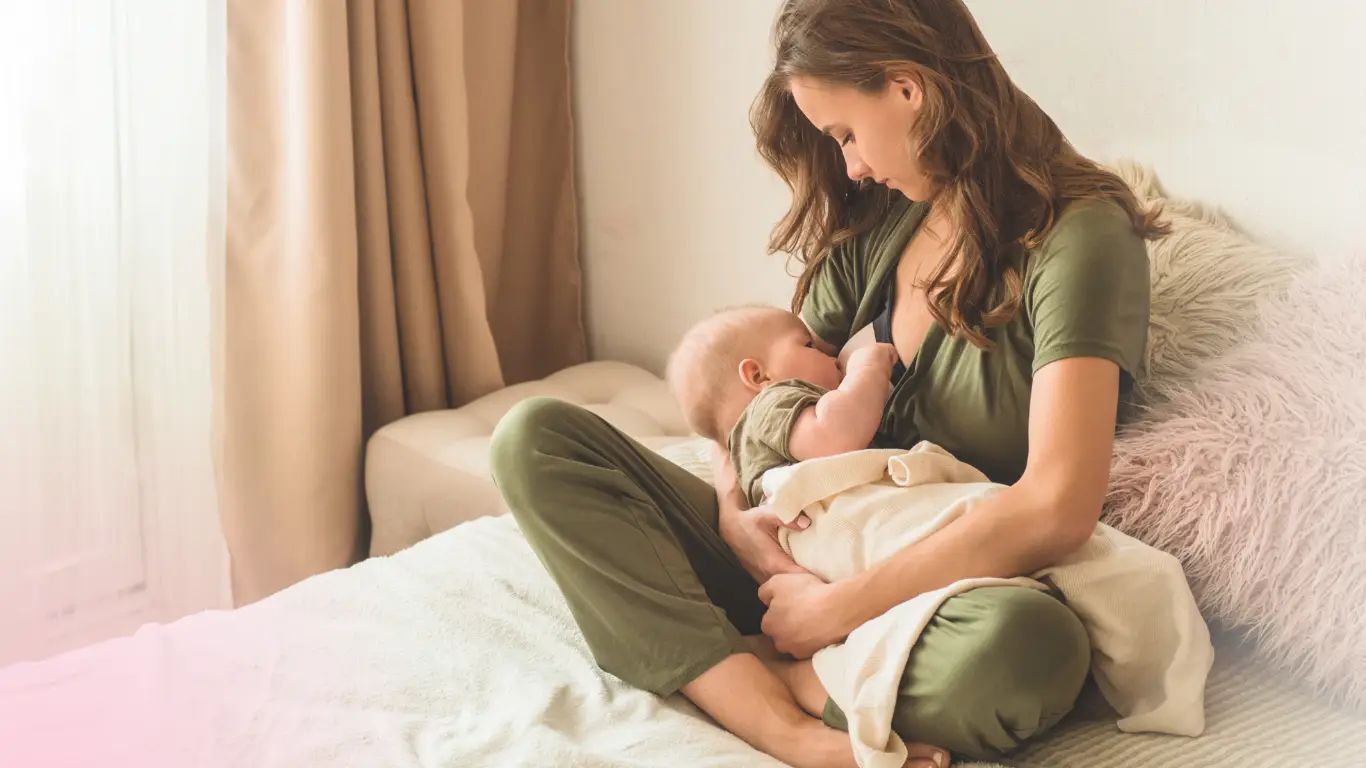
How you feed your baby is personal, and there is no one “right” way. Whether you’re breastfeeding, formula feeding, pumping, or combo feeding, these are the basics that tend to matter most early on.
✔️ If You’re Breastfeeding
In the first weeks, comfort and access are more important than fancy gear.
What you actually need:
- A few comfortable nursing bras or tanks
- Nursing pads (disposable or reusable)
- A supportive pillow (doesn’t have to be a “nursing” pillow)
- Easy access to water and snacks
Many parents find that elaborate breastfeeding gadgets aren’t necessary right away. You can always add items later if you need them. My favorite nursing bra by far is my Kindred Bravely Sublime Hands-Free Pumping & Nursing Bra because they are so incredibly comfy, stretchy and versatile for pumping or nursing.
✔️ If You’re Bottle Feeding or Pumping
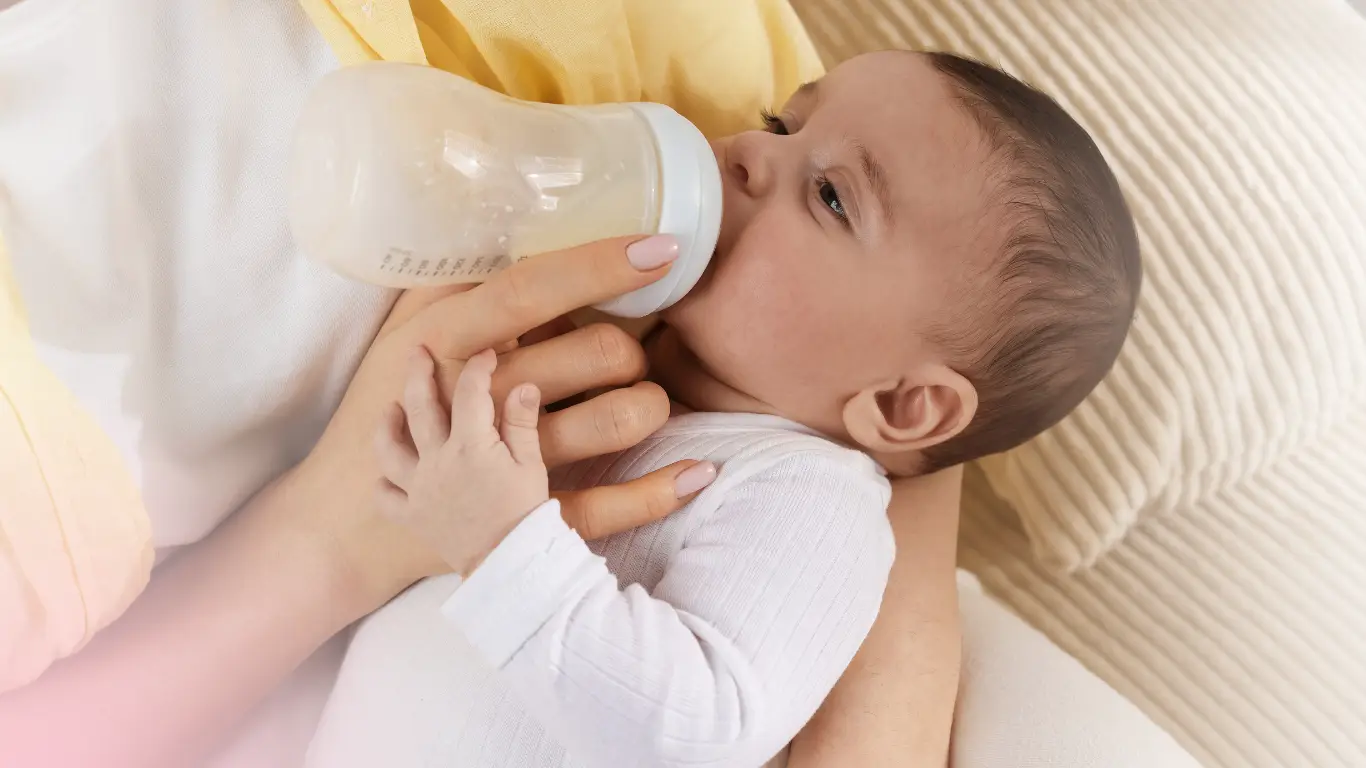
Bottle feeding doesn’t require a large setup at first.
What you actually need:
- 4–6 bottles (newborn size)
- Formula or breast milk storage containers
- A simple bottle brush
- One reliable method to clean bottles
Bottle warmers, sterilizers, and drying racks can be helpful — but they’re optional. For my household personally, we used our Bottle Warmer and Dr. Brown’s Bottle All-in-One Sterilizer and Dryer daily, which saved so much time and energy vs. handwashing every single bottle part or waiting for the dishwasher to run. Everyone has a different preference and routine in their household, and you will quickly find out what works for you!
Diapering Essentials (Keep This Simple)
Newborns go through a lot of diapers, but your setup doesn’t need to be complicated.
What you actually need:
- Newborn or size 1 diapers (don’t overstock)
- Unscented wipes
- Diaper cream or ointment
- A safe place to change diapers
That’s it.
You may find you don’t need a full changing table, a wipe warmer, or multiple organizers. A basket with supplies near where you spend the most time works great. My household had a changing pad set up on our large kitchen island for the first few months of our daughter’s life purely for convenience, and that worked well for us at the time. Convenience over extra bulky items in your home will make a huge difference.
Clothing Essentials for Newborns
This is where many parents accidentally overbuy.
Newborns don’t need outfits. They need easy, comfortable clothing that allows for quick diaper changes.
What you actually need:
- 5–7 sleepers or footed pajamas
- 5–7 onesies
- A few pairs of socks (optional)
- 1–2 weather-appropriate layers
Zippers are usually easier than snaps in the middle of the night. Soft, stretchy fabrics are your friend.
Pro tip: Babies grow quickly. It’s okay if some clothes still have tags on them.
Sleep Essentials for the First Month
Newborn sleep can feel unpredictable — and that’s normal.
During the first 30 days, most babies sleep best when they’re close and secure.
What you actually need:
- A safe sleep space (crib, bassinet, or bedside sleeper)
- A firm mattress with fitted sheets
- Swaddles or sleep sacks (1–2 to start)
You may not need a lot of the extras like sleep positioners, or elaborate bedding. I found the only extra that came in handy was my Yogasleep Hushh Portable White Noise Machine as it quickly soothed my baby back to sleep after a nighttime feeding.
Baby Comfort & Soothing Essentials
Babies are adjusting to life outside the womb, and comfort matters more than entertainment.
What you actually need:
- A few burp cloths or cloth diapers
- One or two pacifiers (if you choose to use them)
- A comfortable place for contact naps
You don’t need toys, play gyms, or activity centers yet. Your baby’s favorite place is you. I didn’t purchase a playpen or highchair for my daughter until she turned 5 months old and was starting to sit up on her own.
Bath & Hygiene Essentials
Newborns don’t need daily baths. Gentle and minimal is ideal.
What you actually need:
- Baby-safe soap or cleanser
- Soft washcloths
- Hooded towel or soft towel
- Baby nail file or clippers
It is advised to do sponge baths in the beginning before the umbilical cord stump falls off, and I found that a countertop or over the sink tub was absolutely perfect for the limited space my home. The Boon Soak 3 Stage Baby Bathtub made it so easy to transition into the full-size tub once my baby started sitting up. It was a great transition tub before upgrading her to the full-size tub.
Health & Safety Basics
You don’t need a medicine cabinet full of baby products — just a few thoughtful basics.
What you actually need:
- Digital thermometer
- Nasal aspirator or bulb syringe
- Pediatrician-approved saline drops (optional)
Anything beyond this is extras and a lot of those items can be purchased along the way as you learn more about what your baby’s needs are.
Essentials for You (Often Forgotten, but Important)
Let’s pause for a moment — because newborn care isn’t just about the baby.
Your comfort matters too.
Helpful postpartum essentials:
- Comfortable clothes
- Easy snacks and meals
- A water bottle you can refill with one hand
- A place to rest during the day
Supporting yourself makes it easier to support your baby and while gathering newborn essentials is important, supporting your own recovery matters just as much. If you’re navigating those early postpartum weeks, this guide on postpartum healing foods that support recovery after birth offers gentle nutrition ideas for new moms.
What You Don’t Need in the First 30 Days
Let’s normalize skipping:
- Baby shoes
- Fancy outfits
- Excessive toys
- Large equipment you’re unsure about
If you don’t use something, it’s okay. You’re not failing — you’re learning.
A Gentle Mindset for New Parents
It’s completely okay if you:
- Change your mind about products
- Buy something later than planned
- Decide something isn’t working
The first 30 days are about learning, not perfection.
Your baby doesn’t need everything — they need safety, nourishment, and love. And you are already providing that.
Final Thoughts: Less Is More in the First 30 Days
When it comes to newborn essentials, less truly is more.
Focus on:
- Feeding
- Diapering
- Sleep
- Comfort
- Recovery
Everything else can wait.
You’re doing something brand new — and you’re doing better than you think.
If you’re finding comfort in simply knowing what’s normal, you may also appreciate having a gentle, go-to guide you can return to during those uncertain moments. I wrote From Birth to Bliss: Mastering Newborn Care for First-Time Parents to walk alongside you through the early weeks — explaining newborn behaviors, feeding, sleep, and daily care in a way that feels clear and reassuring, not overwhelming. Many parents tell me it’s the resource they reach for when they just want calm, trustworthy answers in one place.
Frequently Asked Questions About Newborn Essentials
What newborn essentials do you actually need in the first 30 days?
In the first 30 days, newborn essentials are usually very simple. Most families rely on basic feeding supplies, diapers and wipes, a few comfortable clothing items, a safe sleep space, and a handful of comfort items like burp cloths. During the early newborn stage, babies don’t need much beyond safety, nourishment, and care.
Do you need a lot of baby gear for a newborn?
Not usually. While it can feel like you need a lot of baby gear, most newborns require far less than marketing makes it seem. Feeding, diapering, safe sleep, and comfort are the main priorities. Many products can be added later if you discover they’re helpful for your family.
What should first-time parents buy before bringing a newborn home?
First-time parents often focus on a small set of essentials before birth, such as diapers, feeding supplies, simple clothing, a safe place for the baby to sleep, and basic hygiene items. Keeping purchases minimal can help reduce overwhelm during the first weeks at home.
How many clothes does a newborn need in the first month?
Most newborns only need a small rotation of clothes in the first month, such as a few sleepers or onesies. Babies grow quickly, and frequent outfit changes mean that fewer comfortable, easy-to-change outfits are usually enough.
Can you wait to buy some newborn items after the baby arrives?
Yes, many parents choose to wait to buy certain newborn items until after the baby arrives. Once you’re home, it often becomes clearer which products actually support your daily routine and which ones you don’t need right away.
Medical Disclaimer
This content is for educational purposes only and does not replace professional medical advice. Always consult your pediatrician or healthcare provider regarding newborn care.