Breastfeeding is one of the most physically demanding seasons of motherhood — and yet it’s often the one where moms feel the most under‑nourished. Between cluster feeds, sleepless nights, and caring for a newborn, meals can quickly turn into an afterthought. I went through it myself and had to consciously make an effort to nourish my body because I knew it was negatively affecting my milk supply and energy levels.
If you’ve ever wondered, what should I actually be eating while breastfeeding? — you’re not alone. This post is here to gently guide you through breastfeeding nutrition in a way that feels supportive, realistic, and achievable.
We’ll talk about foods that help support milk production, maintain energy levels, and nourish your body without restrictive rules, guilt, or pressure to “eat perfectly.”
Affiliate Disclosure
Some links in this post may be affiliate links. This means I may earn a small commission if you choose to make a purchase — at no extra cost to you. Affiliate programs may use cookies to track purchases for commission purposes. This website does not control or have access to those cookies. I only share products I genuinely believe may be helpful for new and breastfeeding parents.
Why Breastfeeding Nutrition Matters
Breastfeeding requires extra calories, nutrients, and hydration. Your body is doing an incredible job producing milk — often without you even realizing how much it’s pulling from its own reserves.
When nutrition is lacking, many breastfeeding moms notice:
- Low energy and fatigue
- Increased hunger or intense cravings
- Mood swings or irritability
- Slower postpartum recovery
Supporting your body with nourishing food isn’t about dieting — it’s about fueling.
Nourishing yourself also means supporting your confidence. This post on finding confidence as a first-time parent may help you feel less alone.
How Much Should Breastfeeding Moms Eat?
Most breastfeeding moms need an additional 300–500 calories per day, depending on activity level and milk output. But instead of focusing on numbers, a more helpful approach is this:
- Eat regular meals
- Include protein, healthy fats, and carbohydrates at each meal
- Respond to hunger cues without guilt
Let’s dive into what this would look like on a realistic level. Your appetite increasing is normal — and necessary.
Key Nutrients Breastfeeding Moms Need
Protein
Protein supports milk production, tissue repair, and stable energy levels.
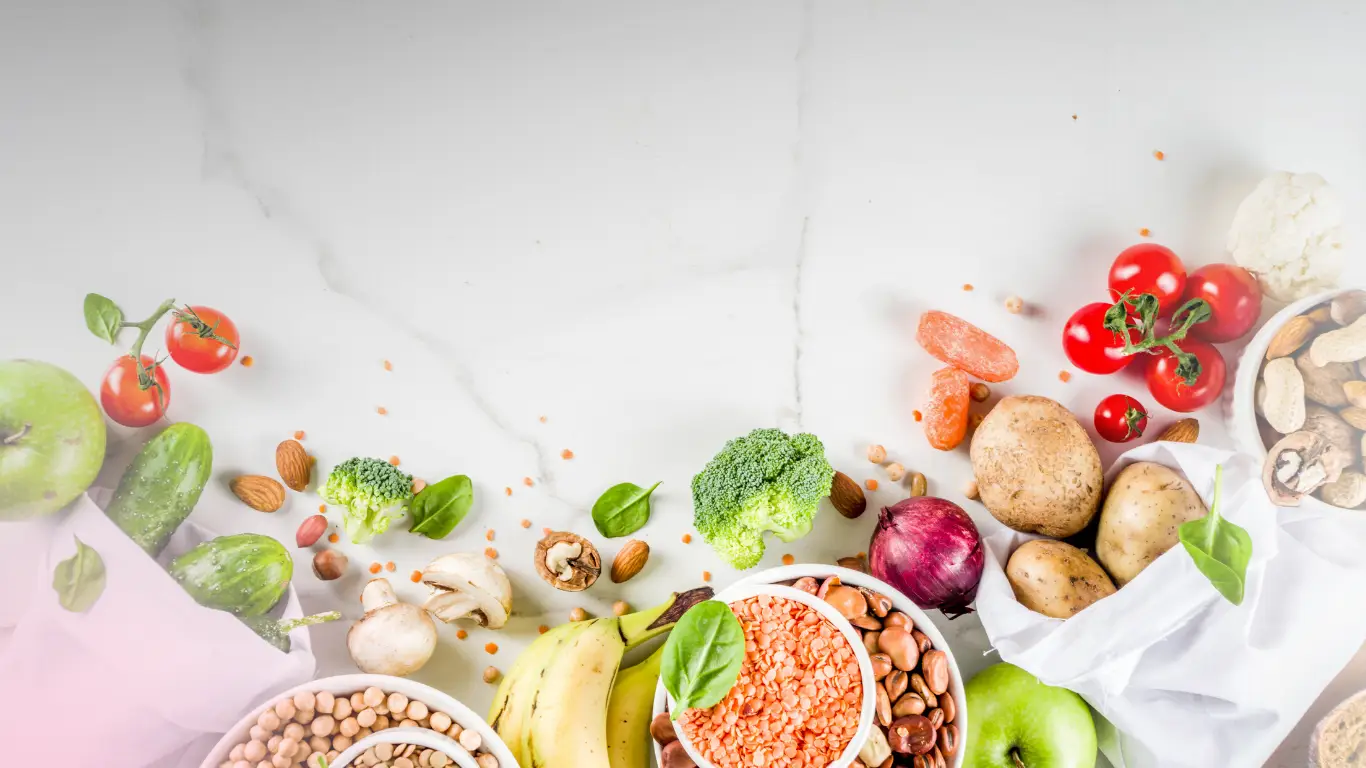
Good sources include:
- Eggs
- Greek yogurt
- Chicken or turkey
- Lentils and beans
- Protein smoothies
Healthy Fats
Fats help support hormone balance and contribute to the fat content of breast milk in a good way.
These include:
- Avocados
- Olive oil
- Nuts and seeds
- Nut butters
- Fatty fish (like salmon)
Complex Carbohydrates
Carbs fuel your brain and body — especially during night feeds.
Choose:
- Oats
- Brown rice
- Quinoa
- Sweet potatoes
- Whole‑grain bread
Now, the point is that you don’t have to eat all these foods every single day, but a healthy balance of protein, healthy fats and carbs throughout the day will support your breastfeeding journey.
Foods That Naturally Support Milk Supply
While no single food guarantees increased supply, many breastfeeding moms find these foods helpful when paired with adequate calories and hydration:
- Oats – easy to digest and energy‑boosting
- Brewer’s yeast – rich in B‑vitamins
- Flaxseed and chia seeds – healthy fats + fiber
- Dark leafy greens – iron and calcium
- Legumes – protein and slow‑burning energy
These foods work best as part of an overall well‑fed, well‑rested body.
Simple Breastfeeding‑Friendly Meals
Here are realistic meal ideas you can actually manage with a baby in your arms:
Breakfast
- Oatmeal with nut butter and berries
- Eggs with whole‑grain toast and avocado
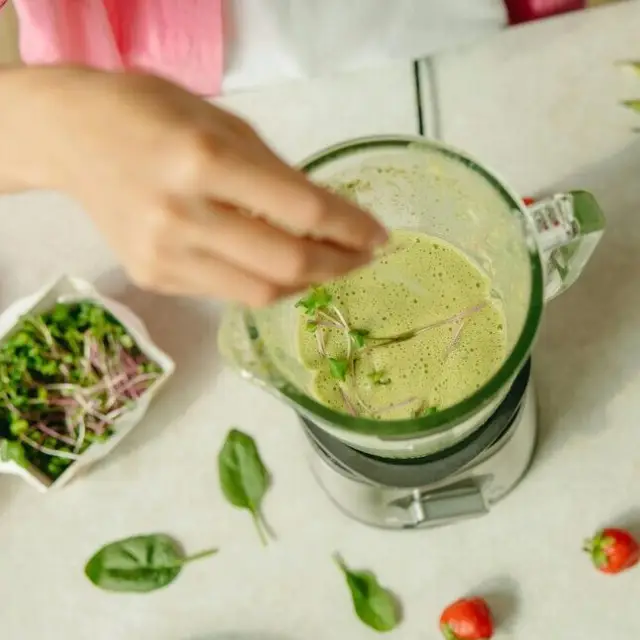
- Smoothie with protein powder, frozen fruit, and seeds
Lunch
- Chicken and rice bowl
- Lentil soup with toast
- Leftover dinner (yes, that counts!)
Dinner
- Sheet‑pan salmon with veggies
- Slow cooker chili
- Stir‑fry with frozen vegetables
Snacks
- Greek yogurt with honey
- Trail mix
- Protein bars
- Cheese and crackers
Snacks matter — especially during cluster feeding phases. You may find that snacking helps to boost your energy levels as well, which can help mitigate some of the sleep deprivation with a newborn.
Hydration and Breastfeeding
While you don’t need to force excessive amounts of water, dehydration can impact how you feel.
Helpful tips:
- Drink when you’re thirsty
- Keep water nearby during feeds
- Include hydrating foods like soups and fruits
Electrolyte drinks can also be helpful, especially during early postpartum or warmer months. I carried my insulated water bottle with everywhere I went in the house and even versatile enough when venturing out of the house eventually.
Supplements for Breastfeeding Moms
Some breastfeeding moms choose supplements to fill nutritional gaps.
Common options include:
- Postnatal vitamins
- Omega‑3 supplements
- Protein powders
- Electrolyte blends
Always choose reputable brands and talk to your healthcare provider if you have questions.
Internal Resources You May Find Helpful
If you’re focusing on nourishing yourself while caring for a newborn, these related posts may also be helpful:
- Postpartum Healing Foods That Support Recovery After Birth – Foundational nutrition for healing in the early weeks after delivery.
- High-Protein Snacks for Breastfeeding Moms – Easy, grab-and-go snack ideas to keep energy steady during long feeding days.
- Newborn Essentials You Actually Need in the First 30 Days – A realistic guide to what truly supports you and your baby early on.
- Newborn Sleep in the First 8 Weeks: What’s Normal – Gentle guidance on sleep expectations during the newborn stage.
Gentle Reminder About Restriction
This is not the season for restrictive eating.
Skipping meals, cutting carbs, or ignoring hunger cues can leave you depleted and exhausted. Nourishing yourself is part of caring for your baby as well.
You deserve to eat!
Frequently Asked Questions About Breastfeeding Nutrition
What foods should I avoid while breastfeeding?
Most breastfeeding parents do not need to eliminate specific foods unless they notice a consistent reaction in their baby. Instead of restricting, focus on eating a wide variety of nourishing foods and notice patterns over time.
Do I need to eat special foods to increase milk supply?
There is no single food that guarantees increased milk supply. Milk production is most strongly influenced by frequent milk removal, adequate calories, hydration, and overall nutrition.
How many extra calories do I need while breastfeeding?
Most breastfeeding parents need about 300–500 additional calories per day, though needs vary. Hunger cues are often the most reliable guide.
Is it safe to diet while breastfeeding?
Restrictive dieting is not recommended during early breastfeeding. Cutting calories too drastically can impact energy levels, mood, and milk supply.
Can I take supplements while breastfeeding?
Many supplements are safe while breastfeeding, but it’s always best to consult your healthcare provider or a registered dietitian before starting anything new.
Medical Disclaimer
The information provided in this post is for educational purposes only and is not intended to replace professional medical advice. Always consult your healthcare provider or a registered dietitian with questions about your health or breastfeeding needs.