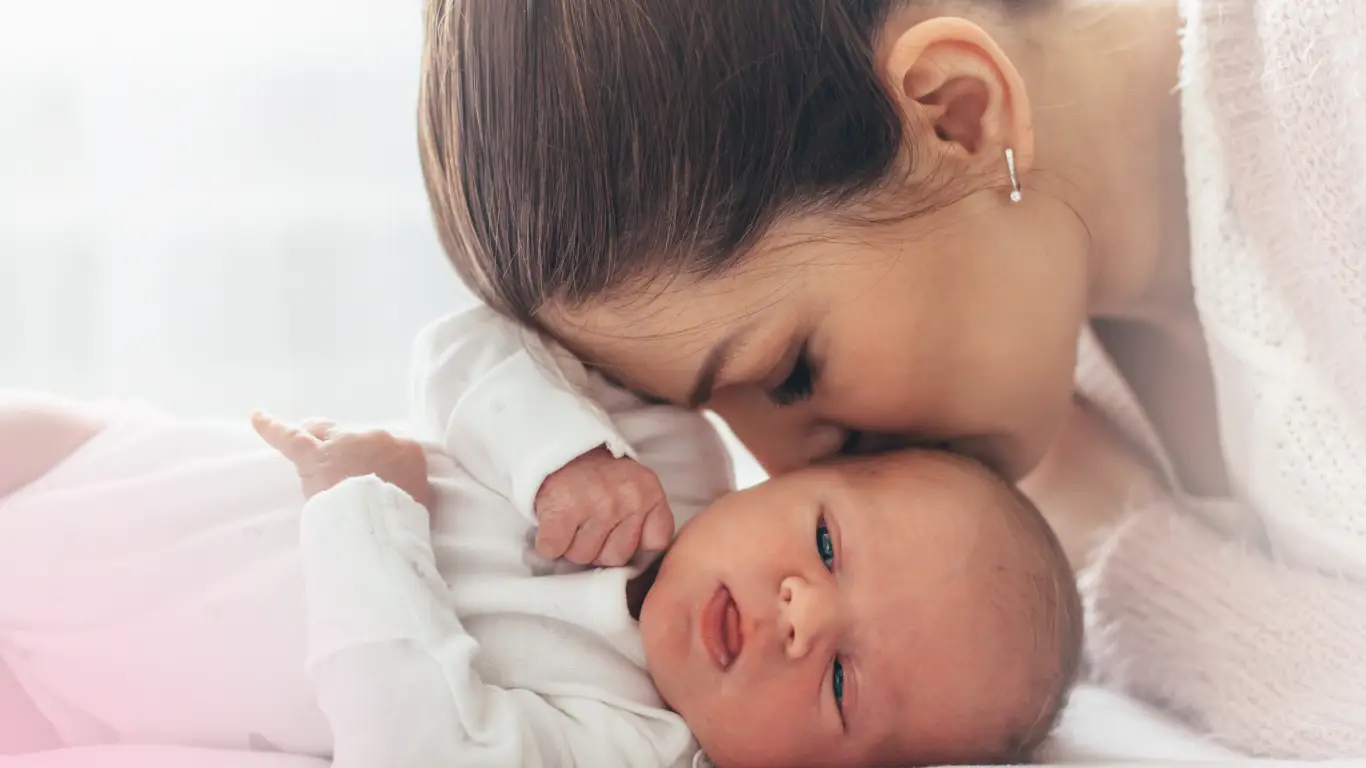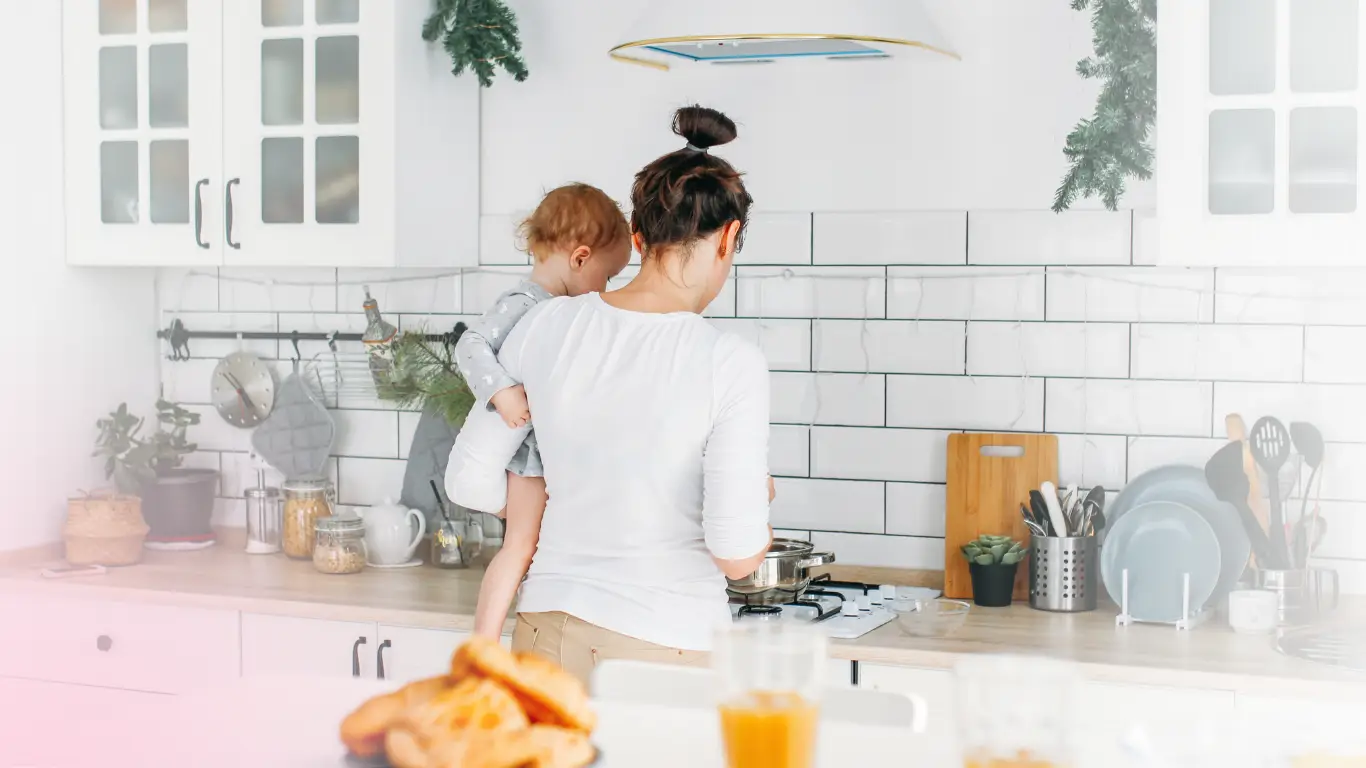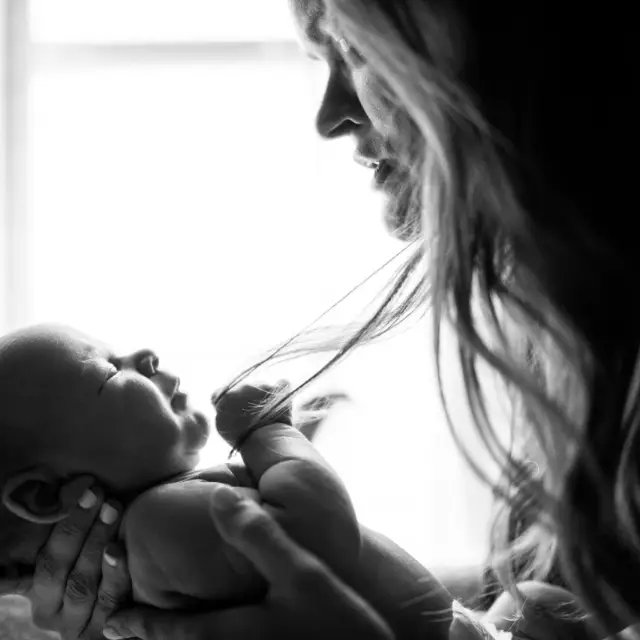


Bringing a newborn home is equal parts magical and overwhelming. One minute you’re staring at tiny fingers in awe, and the next you’re wondering why no one warned you how loud a baby can be at 3 a.m. If you’re a new or expecting parent, especially a first-time mom, having a realistic plan can make those early days feel far more manageable. That’s where a thoughtful checklist for a newborn comes in—not a rigid rulebook, but a supportive guide you can lean on.
Below, I’m sharing a grounded, experience-based approach to newborn prep, blending practical items, emotional readiness, and real-life insights many parents only learn after week one.
Why a Newborn Checklist Actually Helps (Without Overwhelming You)
Before my first baby arrived, I had lists everywhere—phone notes, sticky pads, even screenshots from Instagram. Most of them were too much. What helped wasn’t having everything, but having the right things.
A good checklist for a newborn keeps you focused on essentials while leaving space to learn your baby as they are, not as a checklist expects them to be.
First-Time Mom Essentials You’ll Genuinely Use
Let’s be honest: not everything marketed to new parents is necessary. Some items become daily lifelines, while others collect dust.
Here are first time mom essentials that most parents reach for repeatedly:
Everyday Baby Basics
-
Soft, easy-to-change clothing (zippers beat buttons at 2 a.m.)
-
Plenty of diapers and gentle wipes
-
Burp cloths (you’ll need more than you think)
-
A safe sleep space like a crib or bassinet
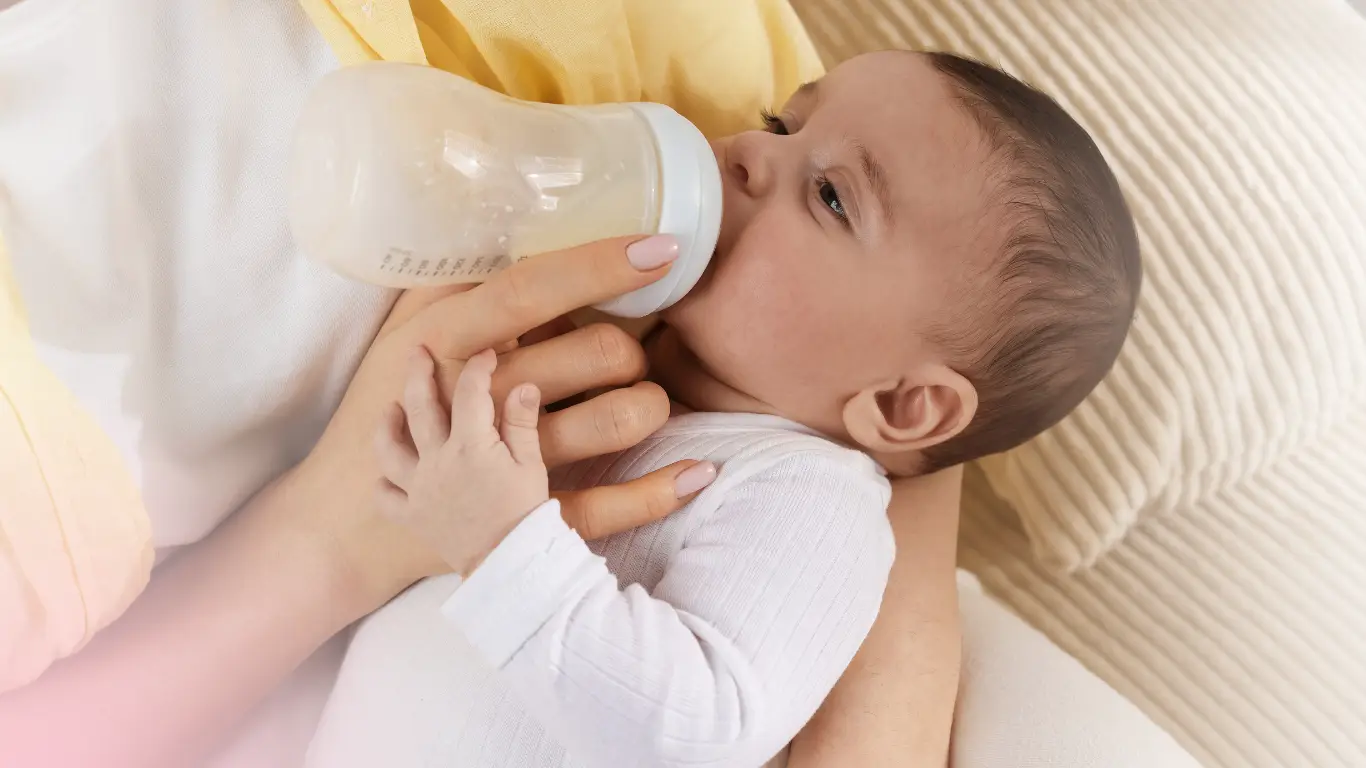
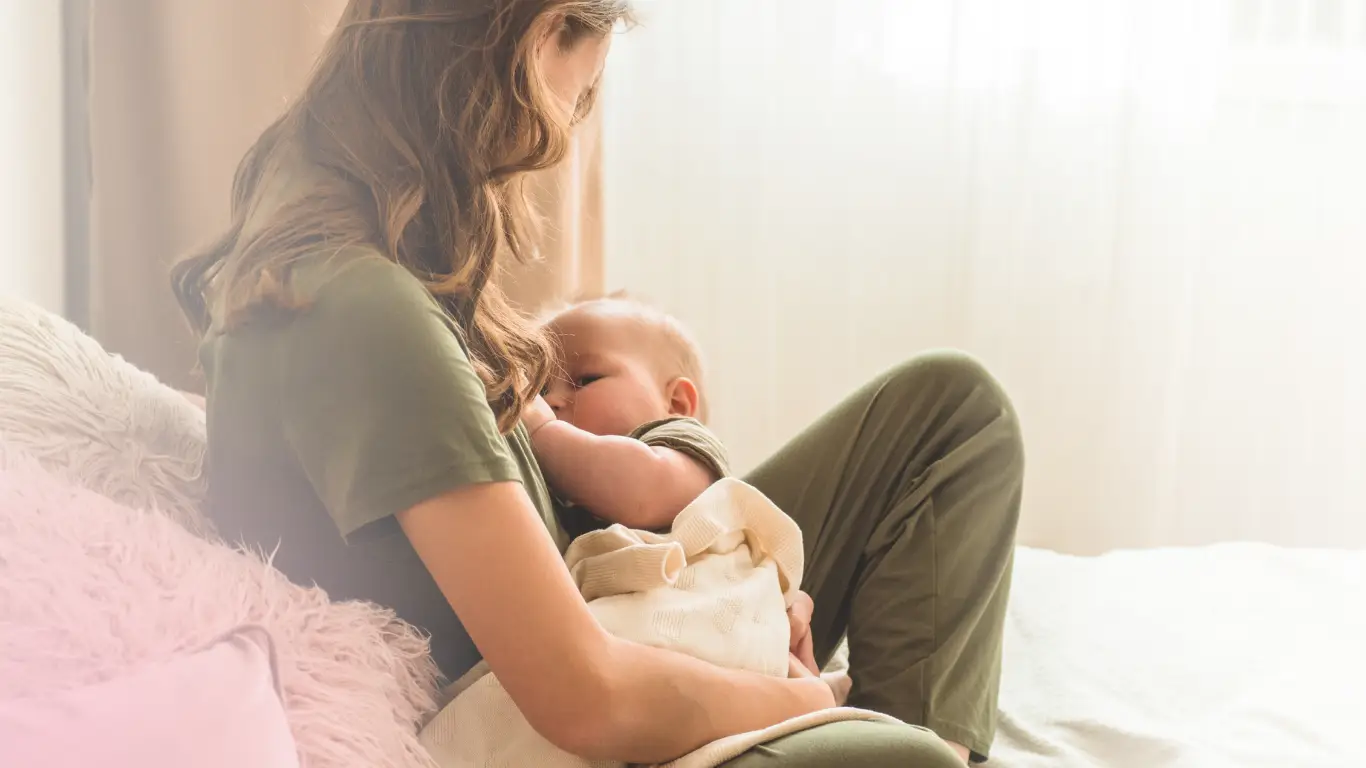
Feeding & Comfort Items
Whether you’re breastfeeding, formula-feeding, or doing a mix:
-
Feeding pillows for support
-
Bottles and a basic sterilizing setup
-
A comfortable chair—you’ll spend hours there
These first time mom essentials aren’t about perfection; they’re about reducing stress when your hands (and heart) are already full.
Sleep: Setting Gentle Foundations Early
Newborn sleep is unpredictable, but that doesn’t mean you can’t prepare. Many parents explore Taking Cara Babies sleep training resources—not to force schedules, but to understand baby sleep rhythms.
What’s helpful about approaches like Taking Cara Babies sleep training is the emphasis on:
-
Age-appropriate expectations
-
Gentle routines instead of strict rules
-
Teaching parents how to read sleepy cues
You’re not training a newborn to “sleep through the night.” You’re learning how to support better rest for everyone, including yourself.
Emotional Prep Is Part of the Checklist Too
This is the part most lists skip.
Add these to your checklist for a newborn:
-
Lower your expectations (of yourself especially)
-
Accept help, even when it feels awkward
-
Remember that bonding doesn’t always feel instant—and that’s okay
Many first time mom essentials aren’t physical items at all. They’re reminders that you’re learning something brand new, and learning takes time.
Building a Simple Daily Rhythm (Not a Schedule)
New parents often ask, “What should our day look like?” Early on, think rhythm, not routine:
-
Feed
-
Diaper
-
Short awake time
-
Sleep
Resources like Taking Cara Babies sleep training often highlight this flow because it mirrors how newborns naturally operate. Keeping days flexible but predictable helps babies feel secure—and helps parents feel less lost.
A Gentle, Realistic Conclusion
You don’t need a perfectly curated nursery or every trending product to be a great parent. A thoughtful checklist for a newborn, a few trusted first time mom essentials, and a basic understanding of sleep tools like Taking Cara Babies sleep training can go a long way.
More than anything, trust yourself. You’ll make mistakes. You’ll figure things out. And one day, you’ll realize you’ve become the exact parent your baby needs.
Common Newborn Questions
1. What is the most important item on a checklist for a newborn?
A safe sleep space and feeding supplies matter most in the early days.
2. Are first time mom essentials different from regular baby items?
Yes, they focus more on comfort, recovery, and ease for the mother, not just the baby.
3. Is Taking Cara Babies sleep training suitable for newborns?
It’s more about education and gentle routines than formal sleep training at that stage.
4. How many clothes does a newborn really need?
Around 7–10 simple outfits is usually enough for frequent changes.
5. When does life with a newborn feel easier?
Most parents notice improvement around 8–12 weeks as routines naturally form.