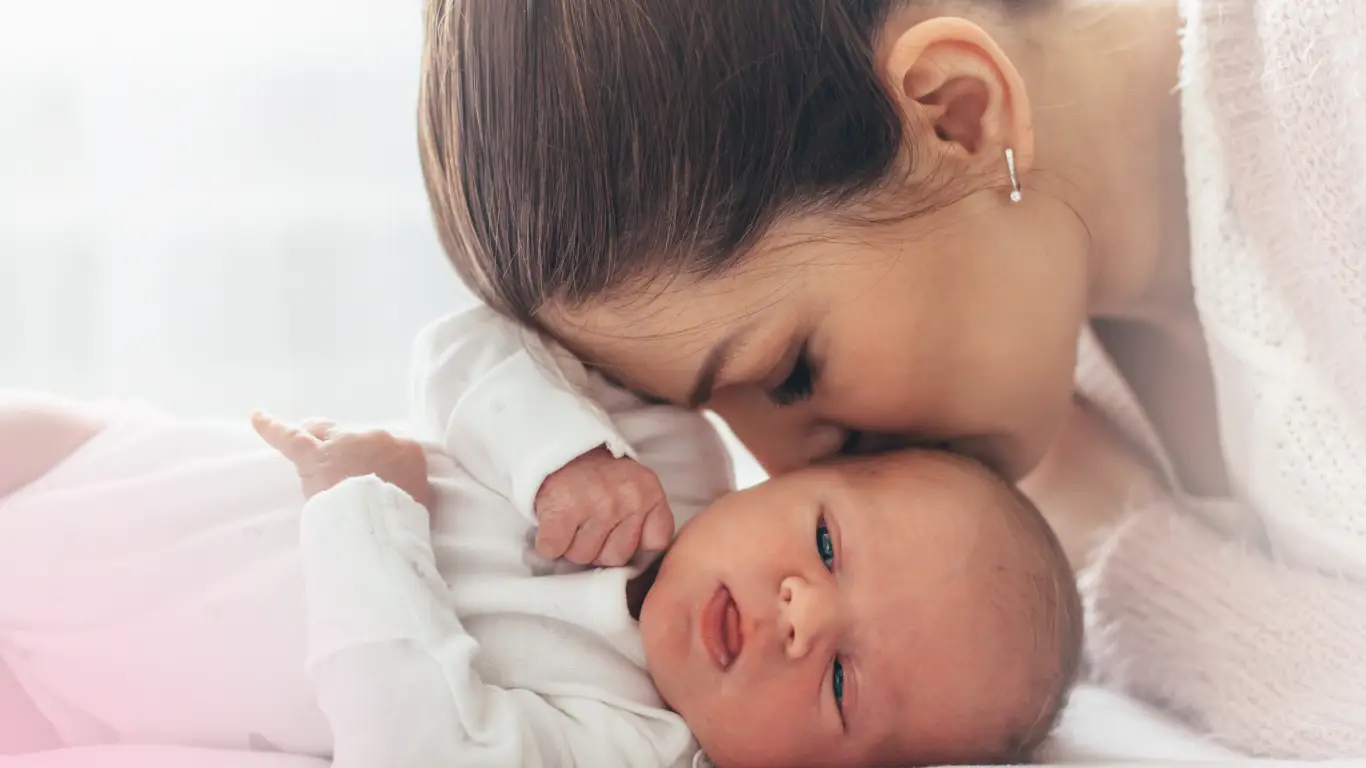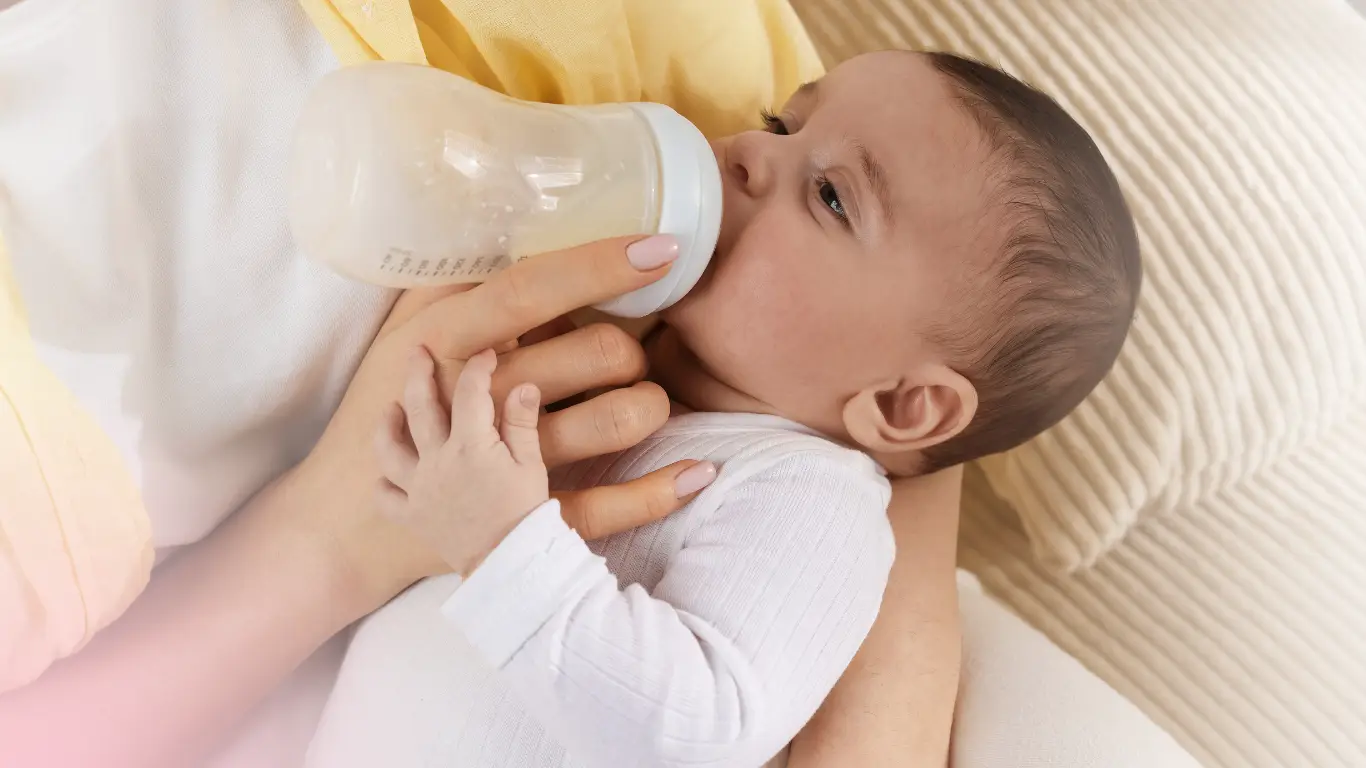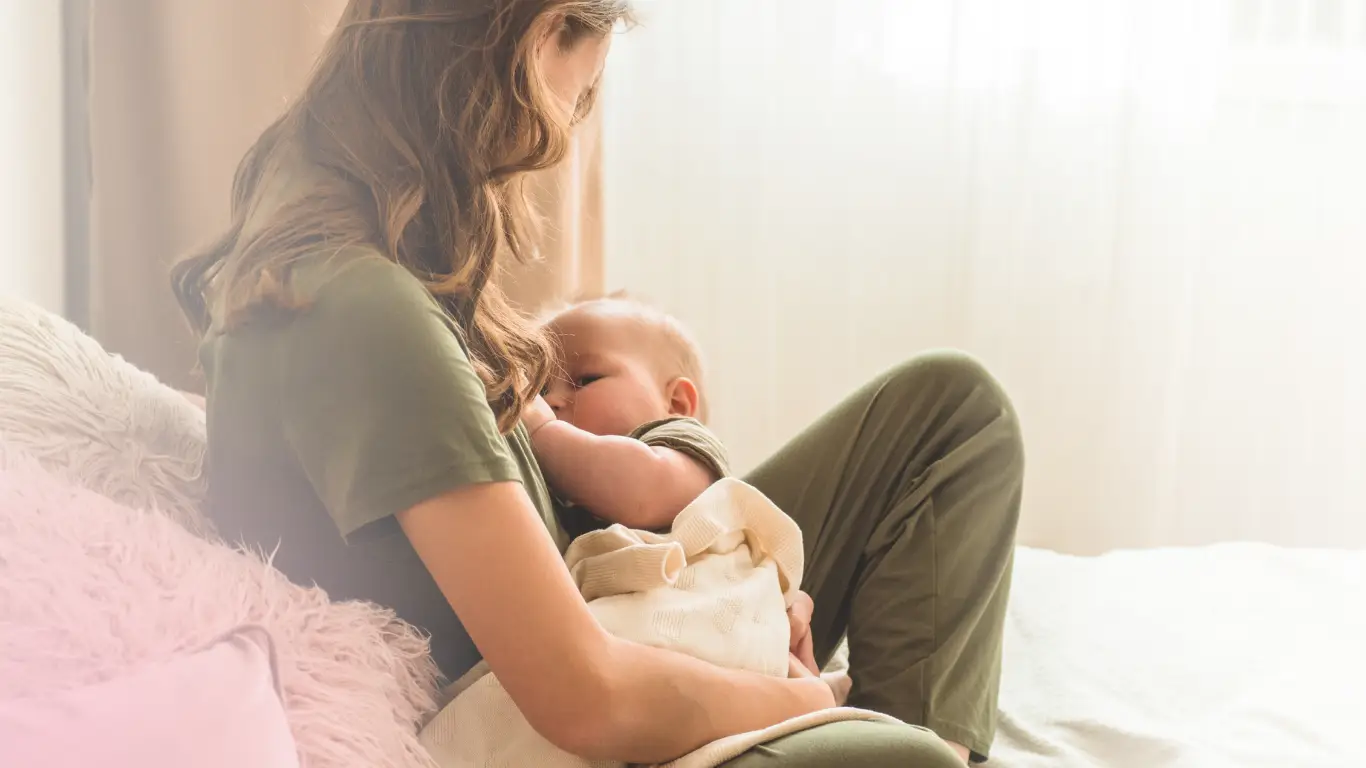

Bringing a newborn home is equal parts magical and overwhelming. One moment you’re staring at a tiny face in awe, the next you’re wondering why it’s 3 a.m. again and nobody is sleeping. I remember thinking there must be some secret handbook everyone else got—but honestly, most parents are figuring it out as they go. Understanding Newborn Sleep Schedules, choosing the right newborn essentials, and knowing when (or if) to start Sleep Training Baby can make those early weeks feel a little more manageable.
The Reality of Newborn Sleep (It’s Not What Instagram Shows)
Let’s clear something up first: newborns don’t follow a neat routine. Their sleep comes in short bursts, usually 2–3 hours at a time, day and night. That’s completely normal. Early Newborn Sleep Schedules are more about patterns than strict timing. Some days will feel predictable; others won’t—and that’s okay.
What helped me was tracking wake windows instead of the clock. If your baby has been awake for 45–60 minutes, chances are they’re ready for rest again. Over time, you’ll start noticing cues—slow blinks, less movement, a certain cry—that tell you sleep is coming.
Creating a Flexible Sleep Rhythm (Without Pressure)
In the early months, think “gentle rhythm” rather than schedule. Simple habits like dimming lights in the evening or keeping daytime feeds bright and interactive can slowly teach your baby the difference between day and night.
This is where many parents ask about Sleep Training Baby. The truth? Newborns aren’t developmentally ready for formal sleep training. What you can do is lay a foundation—consistent bedtime routines, safe sleep spaces, and responding to your baby’s needs without guilt. These small steps pay off later.
Newborn Essentials That Actually Matter
Walk into any baby store and it’s easy to feel like you need everything. You don’t. The most helpful newborn essentials are often the simplest:
-
A safe sleep space (crib or bassinet with a firm mattress)
-
Swaddles or sleep sacks for comfort
-
Diapers and wipes—more than you think
-
A few easy outfits
-
Feeding basics, whether breast or bottle
When your essentials are sorted, nights feel less chaotic. You’re not scrambling—you’re prepared. That alone reduces stress, which babies can surprisingly sense.
When Sleep Training Becomes Relevant
Around 4–6 months, many families revisit the idea of Sleep Training Baby. This doesn’t have to mean crying it out. There are gentle approaches that focus on gradual independence while still offering comfort. The key is timing—both for your baby’s development and your own readiness.
If your baby is growing well and showing longer stretches of sleep naturally, you may not need formal training at all. Again, there’s no one-size-fits-all answer.
Trusting Yourself Through the Process
Here’s something I wish someone told me earlier: you’re not doing it wrong. Comparing your baby’s sleep to others only adds pressure. Focus on what works in your home. Over time, Newborn Sleep Schedules will stretch, routines will settle, and you’ll look back amazed at how far you’ve come.
Having the right newborn essentials and realistic expectations makes the journey smoother—but your instincts matter just as much.
Common Questions Parents Ask (Answered)
1. How many hours should a newborn sleep in a day?
Most newborns sleep 14–17 hours total, broken into short stretches.
2. Is it okay to wake my baby to feed?
Yes, especially in the early weeks or if advised by your pediatrician.
3. When should I start sleep training my baby?
Formal Sleep Training Baby methods are usually considered after 4 months.
4. Do newborns need a strict sleep schedule?
No. Early Newborn Sleep Schedules are flexible and cue-based.
5. What are the must-have newborn essentials for sleep?
A safe crib or bassinet, swaddles, and a calm sleep environment are key.