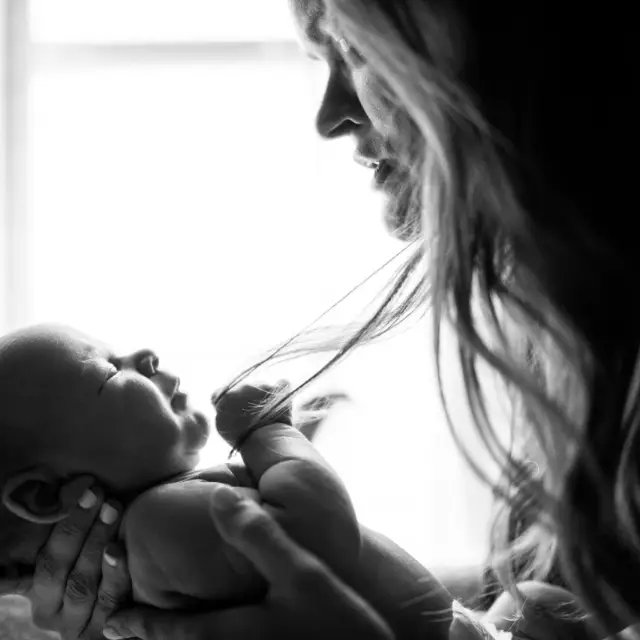

You just fed your baby, and they start crying after feeding.
They seemed satisfied. Calm, even.
And then — five minutes later — they’re crying again.
If you’ve ever thought:
- “Are they still hungry?”
- “Did I not feed them enough?”
- “Is something wrong?”
You are not alone in feeling this way.
Newborn crying after feeding is one of the most common stress triggers for new parents. And the hardest part is not knowing what it means.
Let’s walk through the most common reasons this happens — and how to tell the difference between hunger, gas, overtiredness, and completely normal newborn adjustment.
Affiliate Disclosure
This post may contain affiliate links. If you purchase through these links, I may earn a small commission at no additional cost to you. I only recommend tools that support practical, developmentally appropriate newborn care.
First: It’s Not Automatically a Feeding Failure
Before we break down the causes, let’s clear something up:
Crying after feeding does not automatically mean:
- Your milk supply is low
- You didn’t make enough formula
- You did something wrong
- Your baby is “difficult”
Newborns are adjusting to life outside the womb. That adjustment is loud, unpredictable, and messy sometimes.
As I explain in Signs Your Newborn Is Adjusting Normally (Even When It Doesn’t Feel Like It), irregular behavior in the first weeks is often developmental — not alarming.
Now let’s get specific.
1. They Might Still Be Hungry (And That Can Be Normal)
Yes — sometimes they are still hungry. I’ve had this happen with my newborn several times, even up until she weaned herself off the bottle at the age of one.
Newborn stomachs are tiny and empty quickly. Especially during:
- Growth spurts
- Evening cluster feeding
- The first 3–4 weeks
- Establishing milk supply
If your baby:
- Roots when you touch their cheek
- Sucks on their hands
- Calms when latched again
They may simply need more milk and that is completely normal.
Cluster feeding — especially in the evening — can mean feeding every 30–60 minutes for several hours. I discuss this in more depth in Breastfeeding in the First Month: What’s Normal, What’s Hard, and What Helps.
If your baby settles when offered more milk, trust that signal. They are not being greedy, it’s survival and that increased hunger is happening for a reason.
2. It Might Be Gas
Gas is one of the most common reasons newborns cry after feeding. I will be honest and say 9 times out of 10, my baby was crying shortly after feeding because she was not burped enough and as soon as I realized it and she was able to get rid of excess gas, the crying immediately stopped and it was such a relief for the both of us.
Why is this so common? When babies feed, they swallow air — especially if:
- Latch isn’t deep
- Bottle flow is too fast
- There is air in the bottle
- They’re gulping quickly
Signs it may be gas:
- Pulling legs toward chest
- Arching back
- Squirming
- Crying shortly after feeding ends
In this case, feeding more may actually increase discomfort.
What helps:
- Pausing to burp mid-feed
- Holding upright for 10–20 minutes after feeding
- Gentle bicycle legs
- Slow-flow bottle nipples
Some parents find that anti-colic bottles or upright feeding positions reduce air intake during feeds. I used Dr. Brown’s Natural Flow Anti-Colic bottles, but I will say there are some tricks to preventing air from getting trapped in their bottles. Here are some tips that worked for me:
- Swirl formula to mix- Do not shake (formula will dissolve further when warmed)
- Do not have the cap tightened or on while heating in bottle warmer (just the clear cap is fine)
- Swirl formula gently after heating
- Do not over tighten cap (can cause leaks)
These tips often do the trick to prevent trapped air in their bottles!
3. Overtiredness (The Sneaky One)
This surprises many new parents.
Sometimes babies cry after feeding because they’re tired — not hungry.
Newborn wake windows are very short:
- 30–60 minutes early on
If a full feed takes 30–40 minutes, they may already be nearing overtired by the time feeding ends.
Overtired signs:
- Turning head away
- Fussing despite full belly
- Difficulty settling
- Jerky movements
Understanding newborn sleep cycles can really help here. In Newborn Sleep Patterns Explained (Why Sleep Feels So Random), I explain why short sleep cycles and immature rhythms often lead to fussy post-feed moments.
In this case, feeding again won’t solve it — but calming and transitioning to sleep might.
Helpful tools:
- Dim lighting (using Dimmable Night Lights in feeding areas)
- White noise machine
- Gentle swaddling (these swaddles are my favorite)
4. Overstimulation
Newborns process a lot of sensory input because everything is so new to them.
After feeding, especially during daytime, there may be:
- Bright lights
- Conversation
- Movement
- Siblings
Even loving interaction can overwhelm a newborn nervous system.
Signs of overstimulation:
- Looking away
- Fidgeting
- Sudden crying after calm
Sometimes what they need is quiet — not more milk.
Try lowering lights, reduce noise and slow everything down. Sometimes easier said than done, but sometimes small adjustments can go a long way in soothing your baby.
5. Reflux or Discomfort
If crying after feeds is frequent and intense, consider reflux.
Possible signs:
- Arching back
- Spitting up often
- Crying when laid flat
- Coughing during feeds
This doesn’t always require medication — but it does warrant discussion with your pediatrician if persistent.
Keep baby upright after feeds and monitor patterns. I swear by all Rowe Casa Organics products and their Baby Tummy Oil, along with their Magnesium Cream can relieve reflux and constipation issues when rubbed on your newborn’s belly. I still use both products every night on my daughter!
7. They Just Need Comfort
This one is simple but hard to accept:
Sometimes babies cry because they need regulation.
Not milk.
Not a solution.
Just closeness.
Remember — for months they existed inside constant warmth and movement.
Contact naps, skin-to-skin time, or slow rocking can calm a nervous system that’s still adjusting to the outside world.
That adjustment period is something I talk about more in What a “Good Day” With a Newborn Actually Looks Like — because sometimes “good” just means responding gently.
How to Tell the Difference
Instead of guessing frantically, try this simple mental checklist:
- Offer milk. Do they actively feed again?
- Pause and burp. Does tension reduce?
- Check wake time. Are they nearing overtired?
- Change environment. Is it overstimulating?
- Observe patterns. Is this happening after every feed?
Patterns reveal answers and single incidents don’t. Trust me, you will learn your baby’s cues through repetition and bonding alone.
When It’s Time to Call the Pediatrician
Reach out if:
- Crying is inconsolable for long stretches
- Baby refuses feeds
- There’s projectile vomiting
- Fewer wet diapers
- Fever or lethargy
Most newborn crying after feeding is normal — but you never need permission to ask your provider if something feels off.
A Gentle Reassurance
Crying after feeding is common.
It is not a verdict on:
- Your milk supply
- Your parenting
- Your baby
Sometimes the answer is hunger.
Sometimes it’s gas.
Sometimes it’s overtiredness.
And sometimes it’s just newborn life.
You are learning your baby in real time.
That takes practice — not perfection.
If you’re finding comfort in simply knowing what’s normal, you may also appreciate having a gentle, go-to guide you can return to during those uncertain moments. I wrote From Birth to Bliss: Mastering Newborn Care for First-Time Parents to walk alongside you through the early weeks — explaining newborn behaviors, feeding, sleep, and daily care in a way that feels clear and reassuring, not overwhelming. Many parents tell me it’s the resource they reach for when they just want calm, trustworthy answers in one place.
Medical Disclaimer
This content is for informational purposes only and is not medical advice. Always consult a qualified healthcare provider regarding concerns about feeding, reflux, or persistent crying.
FAQ Section
Is it normal for my newborn to cry right after feeding?
Yes. It can be due to hunger, gas, overstimulation, overtiredness, or normal adjustment.
How do I know if my newborn is still hungry after feeding?
Look for rooting, active sucking, and calming when offered the breast or bottle again.
Why does my baby cry when I lay them down after feeding?
This can be related to reflux, gas, or preference for contact and regulation.
Should I feed again if my newborn cries?
It’s okay to offer milk first — especially in the early weeks — and observe their cues.
How long does this phase last?
Crying patterns usually improve as digestion matures and sleep rhythms develop — often around 6–8 weeks.