The days and weeks after giving birth are beautiful, exhausting, emotional, and deeply transformative — sometimes all at once. While everyone talks about preparing for labor and delivery, far less attention is given to what happens after the baby arrives. And yet, postpartum recovery is one of the most important seasons for a mother’s health and well-being.
If you’re here, you’re probably wondering what to eat after birth, how to regain some energy, or how to support your body while adjusting to life with a newborn. Maybe you’re trying to recover from birth while feeding a baby around the clock, running on little sleep, and learning an entirely new rhythm of life.
First, let me say this: you’re not doing anything wrong. Postpartum recovery is not about perfection — it’s about nourishment, support, and kindness toward yourself.
In this guide, we’ll walk through 7 postpartum healing foods that support recovery after birth, focusing on foods that are realistic, comforting, and supportive during this season. Just know, you are not alone and many new moms are in the same boat. Us new moms truly do understand how overwhelming postpartum life can feel in the beginning.
Affiliate Disclosure: This post may contain affiliate links. If you make a purchase through these links, I may earn a small commission at no extra cost to you.
Why Postpartum Nutrition Matters After Birth
During postpartum recovery, your body is doing some behind-the-scenes work that we can’t even sense or feel. It’s healing wounds, regulating hormones, replenishing nutrients lost during pregnancy and delivery, and — for many mothers — producing breast milk.
Eating nourishing foods during this time can help:
- Support overall postpartum recovery
- Maintain steady energy levels
- Support digestion and hydration
- Help you feel more grounded and cared for
Postpartum nutrition isn’t about dieting, weight loss, or strict rules. It’s about feeding your body so it can care for you, just as you care for your baby.
Let’s walk through some of the most recommended postpartum healing foods — and how to make them work in real life.
1. Bone Broth: Gentle Nourishment During Postpartum Recovery
Bone broth is often mentioned as a postpartum recovery staple, and for good reasons. It’s warm, soothing, easy to digest, and rich in nutrients commonly used to support healing.
Why bone broth is popular postpartum:
- Contains collagen and amino acids
- Easy to consume even when your appetite is low
- Can support hydration and comfort
Many new moms find that warm foods are easier on digestion during the early postpartum weeks. Bone broth can be sipped on its own or used as a base for soups and simple meals.
Simple ways to use bone broth:
- Sip from a mug in the morning or evening
- Use as a base for rice, lentils, or vegetables
- Add to slow cooker meals
If making broth from scratch feels unrealistic, store-bought options can be a helpful alternative.
2. Eggs: A Simple Protein for Healing After Birth
Eggs are one of the most versatile postpartum foods. They’re affordable, widely available, and packed with nutrients that support overall recovery.
Why eggs are helpful postpartum:
- Provide high-quality protein
- Contain choline, which supports brain health
- Easy to prepare in many ways
Protein plays an important role in postpartum recovery, especially for tissue repair and maintaining energy levels. Eggs are also easy to eat one-handed — which, as any new parent knows, matters more than you’d expect.
Easy postpartum egg ideas:
- Hard-boiled eggs kept in the fridge
- Scrambled eggs with leafy greens
- Egg muffins prepared ahead of time
3. Oats: Comforting and Nourishing Postpartum Food
Oats are a common postpartum food, especially among breastfeeding mothers. They’re comforting, filling, and easy to customize depending on what you have available.
Why oats are commonly used postpartum:
- High in fiber for digestion
- Support steady energy
- Easy to prepare in large batches
Oats can be especially helpful during those early mornings when you need something nourishing without a lot of prep. If you’re wanting to grab a quick oatmeal snack with clean ingredients, Nature’s Bakery Oatmeal Crumble Bars are a versatile choice because you can have them as a bar or crumble it as a topping in yogurt with fruit as a well-balanced snack option.
Simple oat-based meals:
- Overnight oats prepared ahead of time
- Warm oatmeal with nut butter and fruit
- Oat-based snacks or bars
4. Leafy Greens: Nutrient-Dense Foods for Postpartum Recovery
Leafy greens like spinach, kale, and Swiss chard are rich in vitamins and minerals often included in postpartum nutrition recommendations.
Benefits of leafy greens postpartum:
- Contain iron and folate
- Support overall nutrient intake
- Easy to incorporate into meals
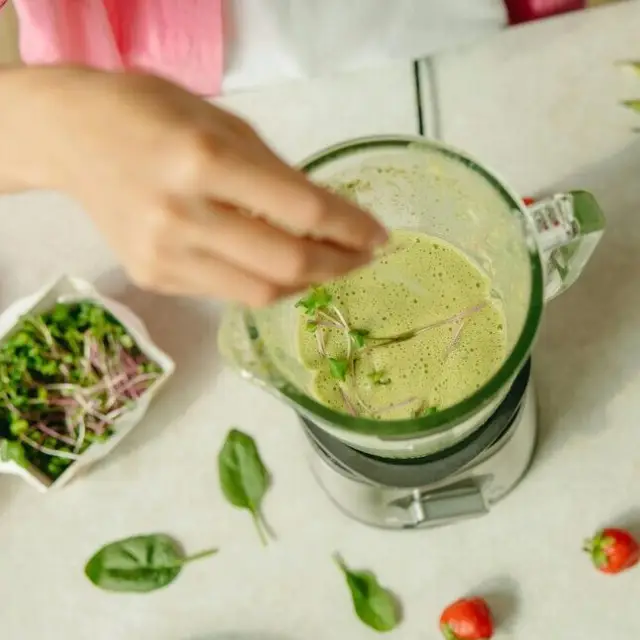
If large salads don’t sound appealing right now, you’re not alone. Many new moms prefer leafy greens blended into smoothies or cooked into soups and warm dishes.
Easy ways to add leafy greens:
- Blend into smoothies
- Add to soups or stews
- Lightly sauté with olive oil
5. Healthy Fats: Supporting Energy and Satisfaction After Birth
Healthy fats are an important part of postpartum nutrition. They help you feel full, support nutrient absorption, and add comfort to meals.
Common postpartum-friendly fats:
- Avocados
- Olive oil
- Nuts and seeds
- Nut butter
Including healthy fats with meals can help stabilize energy levels — which is especially helpful when sleep is unpredictable.
Easy ways to include healthy fats:
- Add avocado to eggs or toast
- Drizzle olive oil over cooked vegetables
- Keep nut butter packets nearby for quick snacks
6. Hydration: An Often Overlooked Part of Postpartum Healing
Hydration is essential during postpartum recovery, especially for breastfeeding mothers. Many new moms underestimate how much fluid their bodies need during this stage.
Why hydration matters postpartum:
- Supports overall recovery
- Helps maintain energy levels
- Supports milk production for those breastfeeding
Plain water is wonderful, but variety can help you stay consistent.
Hydration options postpartum:
- Water with lemon
- Electrolyte drinks
- Herbal teas approved for postpartum use- I personally love Tily Tea Mums & Babies Herbal Tea (Caffeine Free of course) because it can support quality milk production and may even help relieve gas for your baby!
Keeping a reusable water bottle nearby — especially during feedings — can make a noticeable difference. I take my GROSCHE Jasper Insulated Water Bottle with me everywhere. It keeps drinks cold for hours, it’s easy to clean and honestly more affordable than most insulated water bottles on the market.
7. Freezer-Friendly Meals: Supporting Recovery When Energy Is Low
One of the most helpful postpartum nutrition strategies is having meals ready ahead of time. Freezer meals can be a lifeline during the first weeks with a newborn.
Why freezer meals are helpful postpartum:
- Reduce daily decision fatigue
- Make nourishment easier on hard days
- Support consistency
You don’t need a freezer full of elaborate meals. Even a few simple options can help. Seriously Good Freezer Meals is a great cookbook not only for its recipes, but tips on how to prep, freeze and safely thaw your meals in no time.
Easy freezer meal ideas:
- Soups and stews
- Rice-based dishes
- Cooked proteins paired with vegetables
What Postpartum Nutrition Is Not
It’s important to say this clearly: postpartum recovery is not about “bouncing back,” restricting calories, or striving for unrealistic expectations. Your body has just done something remarkable, and it takes time for your body to fully recover, no matter what the method.
Postpartum nutrition is about:
- Supporting healing
- Nourishing your body
- Meeting yourself where you are
If some days feel harder than others, that’s normal. You’re learning how to care for a newborn while also learning how to care for yourself in a new way.
During the early postpartum weeks, nourishment goes hand in hand with having the right newborn basics at home. If you’re wondering what you actually need during those first days, you may find this guide to newborn essentials for the first 30 days helpful.
Are Supplements Recommended?
As a Registered Dietitian, I always going to preach food first as the primary source of nutrition, but in many postpartum cases, it is perfectly reasonable and normal to add supplementation. There are so many products on the market, it can be overwhelming! In my own personal research, I found Needed Pre/Probiotics to be a great quality product in balancing gut health during pregnancy and postpartum, whether you are breastfeeding or not. Users even claim it helps with morning sickness during pregnancy and alleviates constipation that plagues us women in the 3rd trimester. When in doubt, always consult your OBGYN to find the best fit for you and your health needs.
Creating a Gentle Postpartum Nutrition Mindset
Instead of focusing on “perfect” meals, consider these gentle guidelines:
- Aim for warmth and nourishment
- Eat regularly, even small portions
- Hydrate consistently
- Accept help when it’s offered
- Add a supplement if advised
Progress during postpartum recovery isn’t linear — and that’s okay.
Emotional recovery is just as important as physical healing. This post on finding confidence as a first-time parent can support you during the early weeks.
Final Thoughts on Postpartum Healing Foods
The postpartum period is not a race. It’s a season of transition, healing, and growth — for both you and your baby. Nourishing your body with supportive postpartum foods is one way to offer yourself care during this time.
You don’t need to do everything at once. Even small, consistent choices can support postpartum recovery and help you feel more grounded as you move through these early weeks.
You deserve nourishment, rest, and compassion — especially from yourself.
Medical Disclaimer
This content is for educational purposes only and does not replace medical advice. Always consult a qualified healthcare provider regarding postpartum care and nutrition.
Frequently Asked Questions About Postpartum Healing Foods
FAQ 1
What foods support postpartum recovery after birth?
Postpartum recovery is often supported by nourishing foods such as bone broth, eggs, oats, leafy greens, healthy fats, and hydrating fluids. These foods are commonly included in postpartum nutrition plans because they are gentle, nourishing, and easy to prepare during the newborn stage.
FAQ 2
What should a new mom eat during the first weeks postpartum?
During the first weeks postpartum, many new moms focus on easy-to-digest foods that provide steady energy and hydration. Simple meals with protein, fiber, and healthy fats can help support recovery while adjusting to life with a newborn.
FAQ 3
Are there specific foods recommended after giving birth?
There is no single postpartum diet that fits everyone, but many parents include foods like eggs, soups, cooked vegetables, whole grains, and healthy fats to help support healing and nourishment after birth.
FAQ 4
How important is nutrition during postpartum recovery?
Nutrition plays an important role in postpartum recovery because the body is healing, regulating hormones, and adjusting after pregnancy and birth. Eating nourishing foods can help support energy, hydration, and overall well-being during this transition.